

Blog list
Four States Retina Blog
Learn more about ophthalmologist care in our blog!

Being referred to a retina specialist for macular degeneration can bring a lot of questions. You may be wondering what testing will be performed, whether treatment will be needed, and what changes in your vision mean. Preparing a few details before your first appointment can make the visit more productive and help you better understand your retinal health.

Fall may be setting in, but Texarkana can still have warm, sunny days. Sunlight and UV exposure can harm your eyes, while dry conditions can cause irritation. Protecting your eyes during outdoor activities is an important part of caring for your vision throughout the year. Here are some summer lifestyle tips to support your eye and retinal health.

Posterior vitreous detachment, often called PVD, happens when the gel-like vitreous inside the eye separates from the retina. This is a common age-related change, but it can still cause symptoms that should be evaluated by a retina specialist. Many people first notice new floaters, flashes of light, or a shadow in their vision.
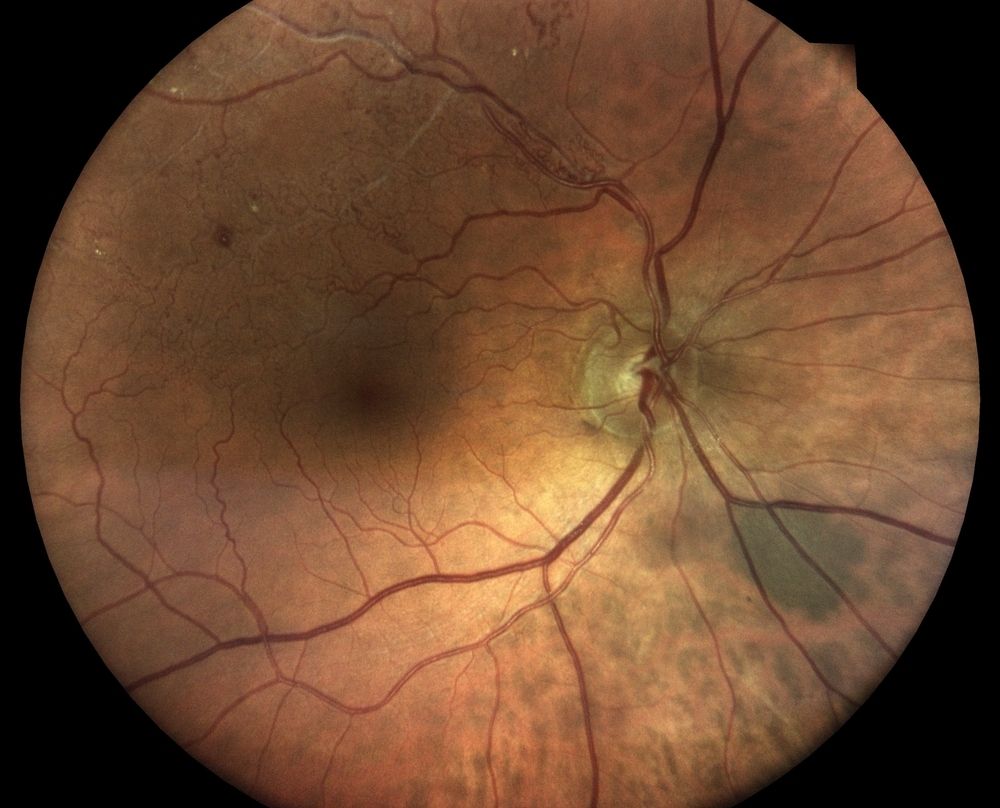
Central retinal vein occlusion (CRVO) happens when the main vein that drains blood from the retina becomes blocked. Because the retina is responsible for turning light into clear vision, this blockage can quickly affect what you see.
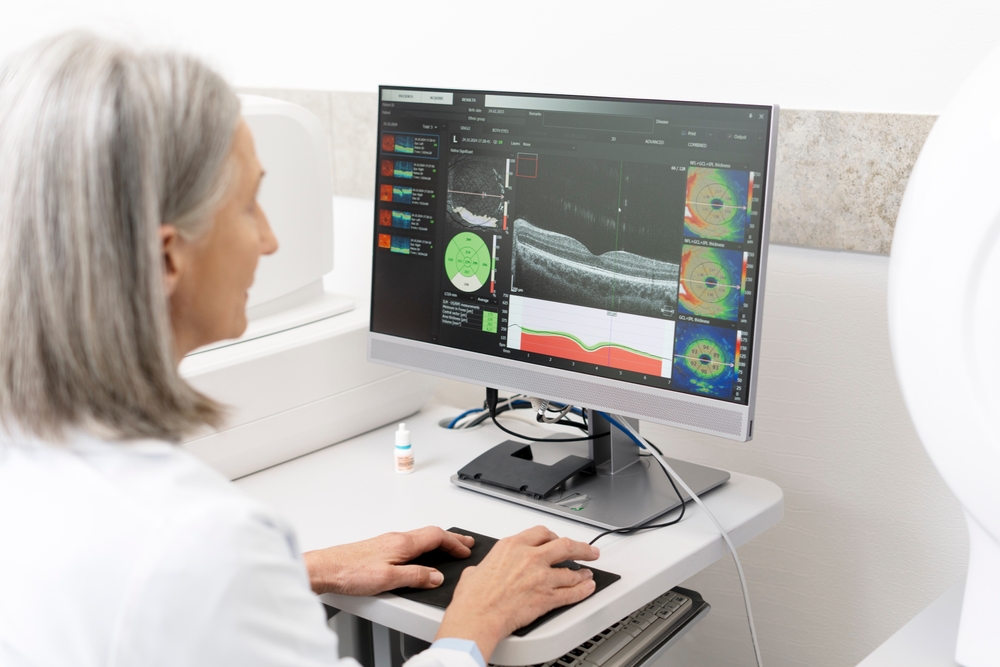
When we think about major eye conditions, it’s easy to assume that serious problems would come with serious symptoms. But retinal detachment can be surprisingly silent in its earliest stages - and when symptoms do appear, they can be subtle.
Quick Links
All Eye
Care Services
Keep
In Touch
Contact Us Let’s keep in touch!

Office Hours
- Monday 8:00am - 4:30pm
- Tuesday 8:00am - 4:30pm
- Wednesday 8:00am - 4:30pm
- Thursday 8:00am - 4:30pm
- Friday 8:00am - 4:30pm
- Saturday Closed
- Sunday Closed
Closed for lunch from 12 pm-1 pm
© 2026 Four States Retina | All rights Reserved | Accessibility Statement | Privacy Policy | Sitemap
Powered by:
