

Retinal Detachment Warning Signs Everyone Should Know (Even Without Severe Symptoms)
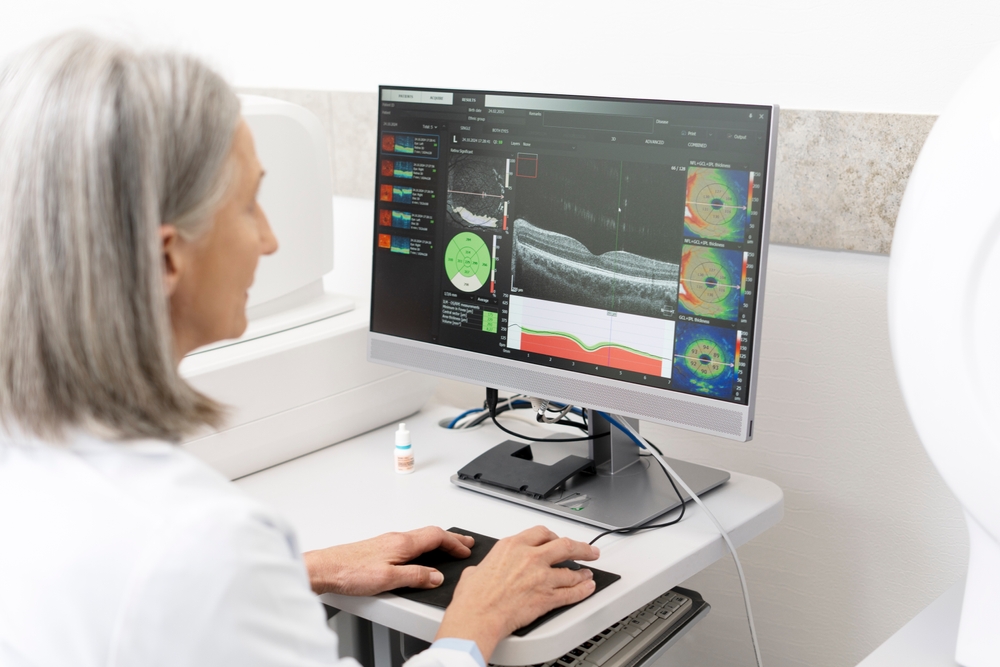
When we think about major eye conditions, it’s easy to assume that serious problems would come with serious symptoms. But retinal detachment can be surprisingly silent in its earliest stages - and when symptoms do appear, they can be subtle. That’s why understanding the warning signs is essential to protecting your sight. Our ophthalmologist in Texarkana, TX, Dr. Roshan Thomas George, specializes in diagnosing and treating retinal conditions using advanced technology and individualized care.
What Is Retinal Detachment?
The retina is a thin layer of tissue at the back of the eye responsible for converting light into signals for the brain to interpret as images. If the retina becomes loose or fully separates from its normal position, it loses oxygen and nutrients - leading to permanent vision loss if not treated quickly. Early detection can be the difference between restored vision and long-term impairment.
Who Is at Risk?
Anyone can develop a retinal detachment, but some factors increase the likelihood:
• High myopia (nearsightedness)
• History of eye surgery, such as cataract removal
• Previous retinal tears or detachments
• Eye trauma
• Aging
• Family history of retinal disease
Even if you don’t fall into a high-risk group, recognizing the symptoms is still crucial.
Subtle Warning Signs You Shouldn’t Ignore
Retinal detachment doesn’t always start with pain or dramatic vision changes. Instead, it often begins with one or more of the following:
• Sudden or Frequent Floaters: Small spots or cobweb-like shapes drifting across your vision can be normal - but a sudden increase may indicate a retinal tear.
• Flashes of Light: Light streaks, especially in peripheral vision, can mean the retina is under tension or beginning to detach.
• A Shadow or Curtain Over Vision: This creeping dark area may start small and gradually expand across your field of sight - often a sign of progressing detachment.
• Blurred or Distorted Vision: Unexpected difficulty focusing or warping of straight lines can occur when the retina is affected.
• Loss of Peripheral Vision: Detachment usually begins at the edges of the retina before affecting central vision.
If you experience any of these symptoms, even mildly, do not wait for them to worsen.
Why Immediate Treatment Matters
Retinal detachment is a medical emergency. The longer the retina is detached, the greater the risk of permanent vision loss. Many treatments are available - such as pneumatic retinopexy, laser therapy, or surgery - and outcomes are most successful when performed early. Dr. Roshan Thomas George offers state-of-the-art diagnostics and treatment options to help preserve your vision when every moment counts.
Get Expert Retinal Care in Texarkana, TX
Retinal detachment doesn’t always announce itself with dramatic symptoms. Even subtle changes can signal a condition that requires immediate attention. By knowing what to look for - and acting fast - you can help protect your sight for the future.
If you’re concerned about new visual symptoms or are at higher risk for retinal conditions, Four States Retina is ready to support your eye health. Contact our ophthalmologist in Texarkana, Texas, to schedule an urgent or routine retinal examination. Call (903) 204-7642 to book an appointment today.
Contact Us Let’s keep in touch!

Office Hours
- Monday 8:00am - 5:00pm
- Tuesday 8:00am - 5:00pm
- Wednesday 8:00am - 5:00pm
- Thursday 8:00am - 5:00pm
- Friday 8:00am - 5:00pm
- Saturday Closed
- Sunday Closed
Closed for lunch from 12 pm-1 pm
© 2026 Four States Retina | All rights Reserved | Accessibility Statement | Privacy Policy | Sitemap
Powered by:
