

Retinal Tear
Retinal Tear: Early Detection and Preventive Treatment to Avoid Retinal Detachment
Retinal tears typically occur during or after posterior vitreous detachment (PVD), when the shrinking vitreous gel exerts traction and rips the thin retinal tissue. Prompt identification and in-office laser treatment can prevent progression to detachment in the vast majority of cases.
Retinal tears are common in patients over 50, those with high myopia, previous eye trauma/surgery, or family history of retinal detachment. Early intervention is highly effective—laser retinopexy has a success rate of over 95% in preventing detachment when performed promptly.
What Is a Retinal Tear?
A retinal tear is a full-thickness break in the retina, allowing vitreous fluid to pass underneath and potentially lift the retina (detachment). Common types include:
Horseshoe (flap) tears — most high-risk due to persistent vitreous traction
Operculated (round) tears — often lower risk but still require evaluation
Atrophic holes — smaller, usually less urgent
Warning Signs – Seek Urgent Care
Retinal tears often present with symptoms of acute PVD. Contact a retina specialist immediately if you notice:
Sudden increase in floaters
New flashes of light
A shadow, curtain, or veil in your peripheral vision
What to Expect During Your Urgent Retinal Tear Evaluation
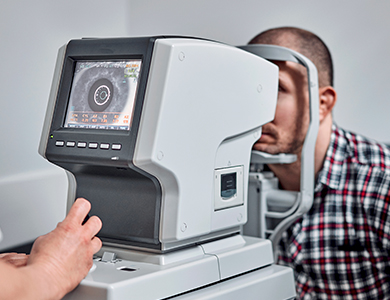
We provide same-day or next-day urgent assessments for acute symptoms. The evaluation includes:
Dilated peripheral retinal exam with scleral depression to visualize the far periphery
High-resolution optical coherence tomography (OCT) when needed
Treatment: Laser Retinopexy
Most symptomatic retinal tears are treated in-office with laser retinopexy (focal laser photocoagulation). The laser creates a controlled scar around the tear, sealing it and preventing fluid from passing underneath.
The procedure is quick, performed under local anesthesia (eye drops), and usually painless. Patients can typically resume normal activities soon after, with follow-up to confirm healing.
Don't Wait – Prevention Is Key
A retinal tear is a treatable condition that, when addressed early, almost always prevents the need for major retinal detachment surgery. If you experience new flashes, floaters, or any shadow in your vision, seek immediate evaluation by a retina specialist.
Contact our team today for urgent assessment and personalized care.

Contact Us Let’s keep in touch!

Office Hours
- Monday 8:00am - 5:00pm
- Tuesday 8:00am - 5:00pm
- Wednesday 8:00am - 5:00pm
- Thursday 8:00am - 5:00pm
- Friday 8:00am - 5:00pm
- Saturday Closed
- Sunday Closed
Closed for lunch from 12 pm-1 pm
© 2026 Four States Retina | All rights Reserved | Accessibility Statement | Privacy Policy | Sitemap
Powered by:
