

What are the Symptoms of Central Retinal Vein Occlusion?
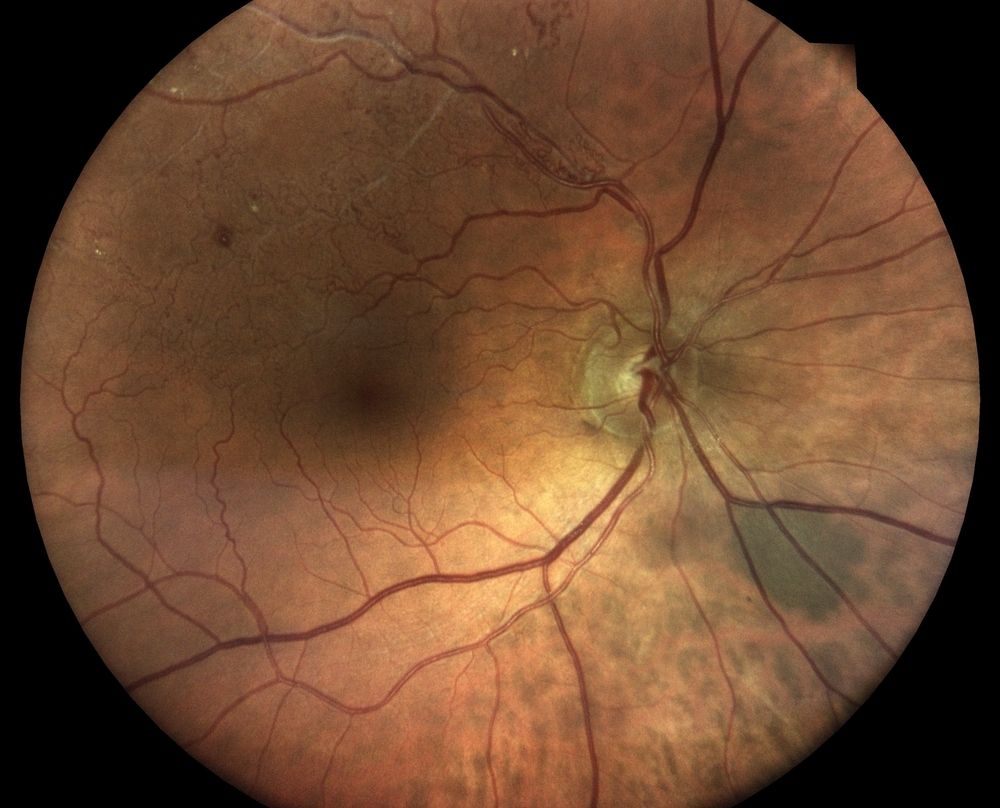
Central retinal vein occlusion (CRVO) happens when the main vein that drains blood from the retina becomes blocked. Because the retina is responsible for turning light into clear vision, this blockage can quickly affect what you see. Recognizing the symptoms of central retinal vein occlusion early is important, since timely evaluation can help protect vision.
The Most Common Symptom: Sudden Vision Changes in One Eye
For many people, the first sign of CRVO is a noticeable change in vision in one eye. It may feel like a blur, a dim area, or a general reduction in clarity. The change can come on suddenly or worsen over hours or days.
Patients often describe it as waking up with a hazy patch, having trouble reading with one eye, or noticing that their vision looks “washed out” compared to the other side.
Key Symptoms of Central Retinal Vein Occlusion
CRVO symptoms can range from mild to severe, depending on how much the blockage affects the retina.
- Blurry vision in one eye
- Partial vision loss or a dark or gray area in the field of view
- Sudden, painless decrease in vision that may worsen over time
- Distorted or wavy vision, especially when looking at lines or text
- Floaters that look like dark specks, strings, or cobwebs
- Eye redness, pressure, or pain in more severe cases
Who Is Most at Risk for CRVO?
CRVO can occur in adults of many ages, but it is more common as people get older. Risk tends to be higher when circulation is already under strain. Several health factors are associated with a greater chance of developing a retinal vein occlusion, including high blood pressure, diabetes, and high cholesterol. Glaucoma and elevated eye pressure can also increase risk, since they may affect blood flow and the health of retinal vessels.
Lifestyle factors can play a role as well. Smoking, limited physical activity, and being overweight may contribute to vascular changes that increase risk over time. Some people may also have blood clotting disorders or inflammatory conditions that make vein blockages more likely. If you have multiple risk factors and notice sudden changes in one eye, it is important to get evaluated promptly.
Treatment Options for CRVO
Treatment for CRVO depends on what is happening inside the eye, especially whether there is macular swelling (macular edema) or reduced oxygen supply to the retina. A retina specialist typically uses a dilated exam and retinal imaging to confirm the diagnosis and guide the plan.
Common treatment options may include:
- Eye injections (often anti-VEGF medications) to reduce swelling and help stabilize or improve vision
- Intravitreal steroid implants in select cases to help control inflammation and macular edema
- Laser treatment when needed to address complications related to poor retinal circulation
- Ongoing monitoring with imaging to track response and catch complications early
What to Do if You Notice Possible CRVO Symptoms
Any sudden vision loss, new blur in one eye, or a rapid increase in floaters should be treated as urgent. These symptoms can overlap with other serious retinal conditions, and it is safest to have the retina examined promptly with a dilated eye exam and appropriate imaging.
If you notice symptoms of central retinal vein occlusion, schedule an urgent evaluation at Four States Retina. Contact our ophthalmologist in Texarkana, Texas, to schedule an urgent or routine retinal examination. Call (903) 204-7642 to book an appointment today.
Contact Us Let’s keep in touch!
Office Hours
- Monday 8:00am - 5:00pm
- Tuesday 8:00am - 5:00pm
- Wednesday 8:00am - 5:00pm
- Thursday 8:00am - 5:00pm
- Friday 8:00am - 5:00pm
- Saturday Closed
- Sunday Closed
Closed for lunch from 12 pm-1 pm
© 2026 Four States Retina | All rights Reserved | Accessibility Statement | Privacy Policy | Sitemap
Powered by:
